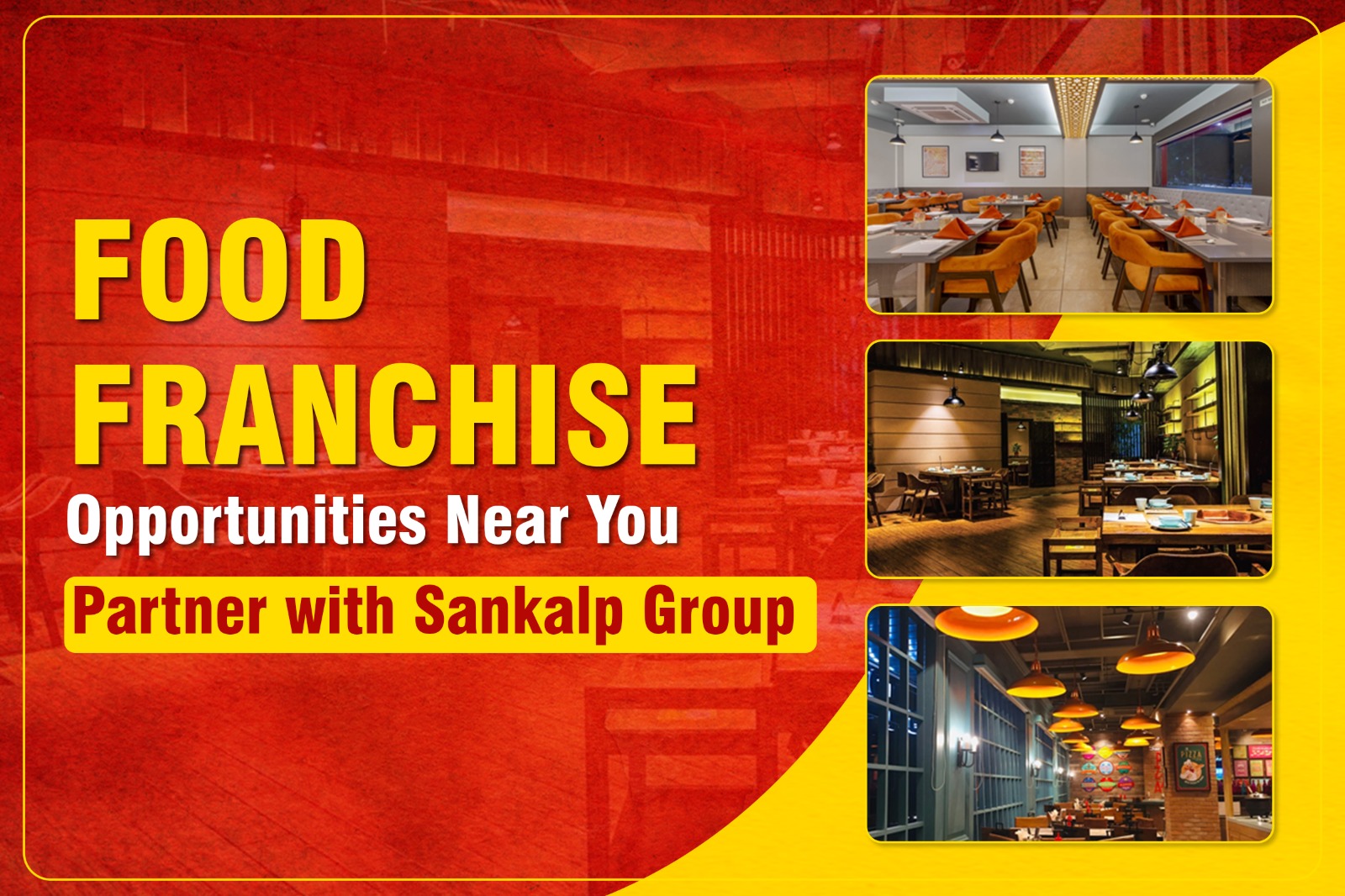
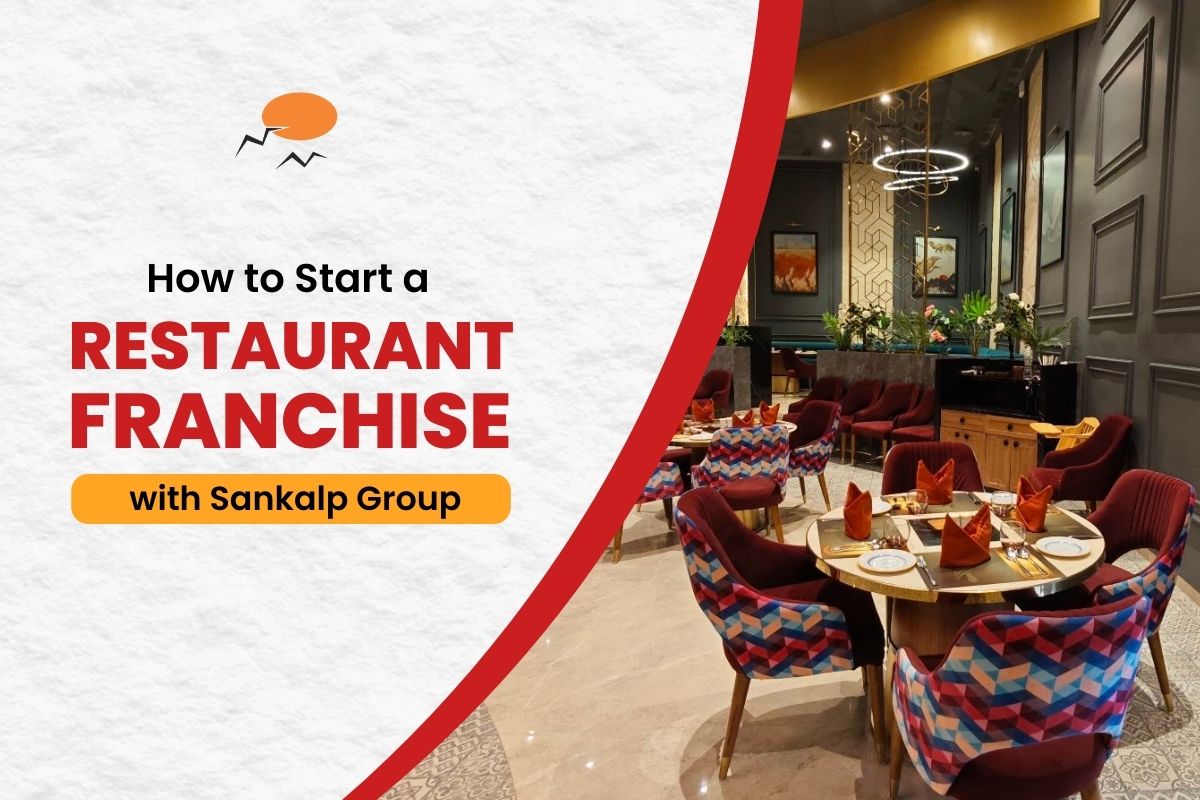
India’s organized restaurant franchise space is booming. It is expected to hit ₹4.2 lakh crore and grow at 11% annually. This is because branded dining, fine dining has taken off a very serious flight even in tier-2/3 cities beyond the metros.
If you are also looking for answers like Why & How to Start a Restaurant Franchise, then you have landed at the right article.
With us you have the advantage of/ Sankalp Group stands tall as a multi-cuisine hospitality leader with 250+ outlets across India and abroad, proven success and strong brand recall. We offer diverse food franchise opportunities, from South Indian to Indo-Chinese and more. We are the best and we claim it because each of our franchises is backed by training, supply chain support and marketing muscle. So now we will share how we will ensure we don’t let competitors beat you when you see an answer to – Is Restaurant Franchise Model Profitable?
Sankalp Group – A Multi-Brand Restaurant Leader
Ours is the story of a dream that began in Ahmedabad back in 1980. Sankalp Group started with one authentic South Indian restaurant. People loved it. Slowly, it became something much bigger – a multi-brand restaurant leader with more than 250 restaurants across India and abroad, in places like USA, Canada, UK, UAE, Australia and New Zealand.
With time, we did not just grow, we set records. Sankalp hit the Guinness World Record for the longest dosa multiple times (Isko bhi no. of times) .That speaks of passion, quality and a brand that people trust. This is the kind of Indian Restaurant franchise that travellers recognise, families trust, and food lovers flock to again and again.
We all know that the global appetite for Indian food is booming. People want real Indian flavours everywhere. That’s where restaurant franchise opportunities become gold. Sankalp’s model proves that the restaurant franchise model can be highly profitable, especially when backed by quality systems, training, supply chain support and a proven brand like Sankalp.
Why Choose a Restaurant Franchise with Sankalp Group?
Sankalp Group is a brand with 40+ years of legacy, trusted taste and serious numbers behind it.
1. Low Capital Risk for Company
You don’t need huge capital risk on our side. That’s the beauty of the Indian Restaurant franchise model. Sankalp’s system is standardised and proven, so your money goes into a brand people already love. The setup investment range is clear.
2. Guaranteed Operating Fees or Profit-Sharing
With a strong restaurant franchise model, you get clear revenue structures. You control operations. Sankalp supports you with training, marketing and supply chain, but your upside comes from profits you make by running your own outlet.
3. Better Operational Control
Since it is you who owns the outlet. You hire, you manage, you grow. Sankalp gives you the playbook that includes uniform operations, menus that sell, tech support. All this while you steer daily business.
4. Investor-Attractive Model
Smart money chases brands that grow in tough markets. Sankalp has stood the test of time and still expands aggressively. And that’s real restaurant franchise opportunities power.
5. Win-Win for Franchisee and Franchisor
This is not a one-way street. Sankalp thrives when you thrive. You get brand strength + training + systems. We get a committed partner. It’s a win-win for both sides.
Why do Indian restaurant franchises tend to be more profitable?
The Indian Restaurant franchise model is buzzing. Brands are expanding fast. People across cities are eating out more, spending more and loving food experiences. That’s exactly why food franchise opportunities in India are turning heads, both here and abroad.
1. Trusted Brand Portfolio
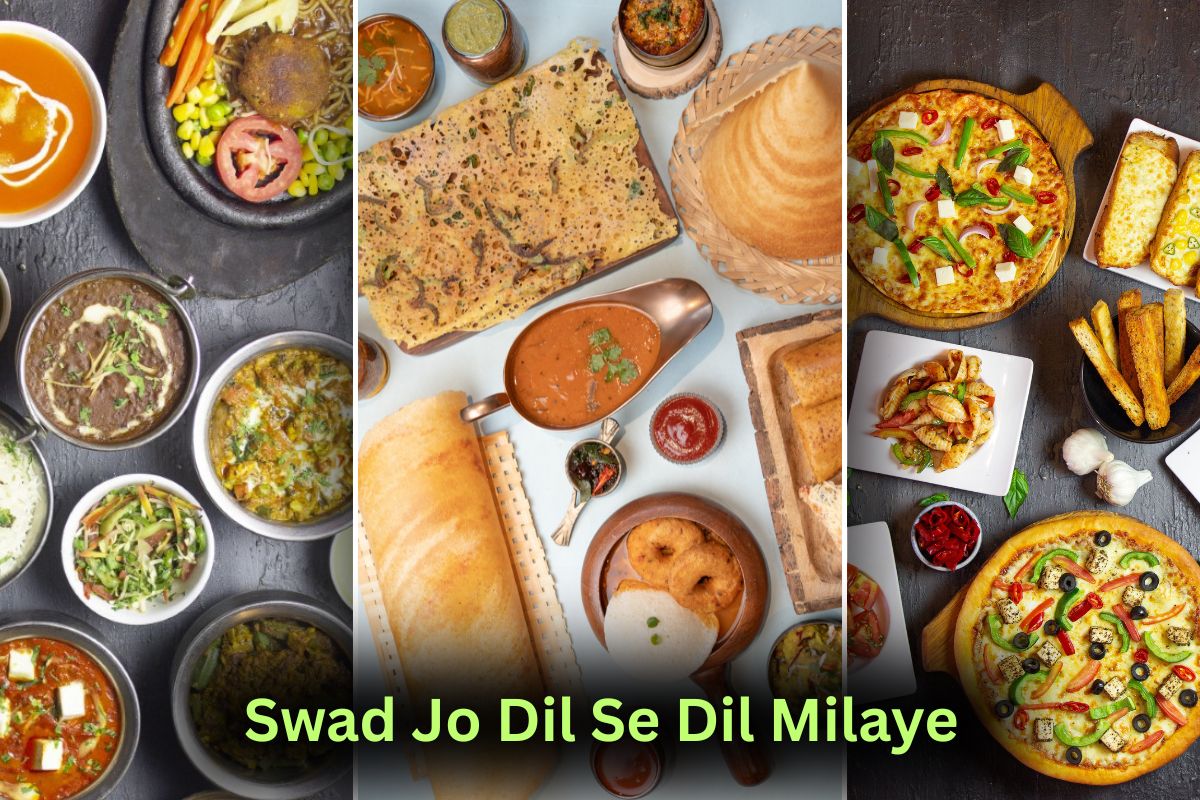
A strong trusted brand portfolio wins repeat customers fast. This is because we are a multi-cuisine restaurant franchise! Sankalp doesn’t stick to one flavour — it mixes South Indian classics like dosas and idlis with North Indian BBQ and even Italian options under one group, pulling crowds day after day. Secondly, the proven operational systems and quality control mean franchisees don’t have to reinvent the wheel. Rather, you plug into a brand that has already proved it works, globally.
2. Franchise-Friendly Business Model
You get end-to-end operational support from site selection to supply chain systems and training. Sankalp even helps with marketing, staff recruitment, recipes and technology integration. Sankalp Franchise isn’t just a logo, it’s a full business engine with standardized processes and supply chain that lets you focus on sales while reducing risk of micro-management of resources.
3. Strong Market Demand
Everyone wants Indian food – from kids craving for Pizzas and Dosas to adults loving chaats and biryani. Indian food is mainstream fast food now. Together with fast-food favourites, Indian cuisine has a cross-generational and cross-regional appeal that fuels restaurant franchise opportunities with faster break-even and better margins. We cater to appeal across age groups and regions!
Restaurant Franchise Brands Offered by Sankalp Group
1. Sankalp – South Indian Restaurant Franchise
Sankalp is a strong Indian Restaurant franchise rooted in authentic South Indian taste. It’s loved for dosa, idli, uttapam and vada are real crowd pullers. With 250+ restaurants in 50+ cities and 5M+ happy guests, brand recall is huge. Franchisees see loyal regulars. Best for dine-in spots in malls and busy markets. The Restaurant franchise model here is proven and profitable.
A. Authentic South Indian cuisine
Every plate feels like home – dosas, idlis and what not all under one roof, that bring customers back again and again.
B. Strong brand recall and loyal customer base
People know Sankalp. They trust it with taste and hygiene both. That means footfall comes easy.
C. Ideal for dine-in and high-footfall locations
We have franchises at all kinds of sports, whether busy or countryside, because our food aroma and quality ensures that fills seats fast!
2. Saffron – North Indian Restaurant Franchise
Saffron brings rich North Indian and Punjabi flavours alive. This brand has built a loyal fanbase with tandoori, kebabs, rich gravies and Mughlai fare. A family-friendly, premium casual Restaurant franchise choice with high repeat visits. Great business model if you want steady revenue and buzz.
A. Popular North Indian, Punjabi, and Mughlai dishes
Rich taste that every diner loves — from kebabs to creamy curries.
B. Family dining and premium casual format
Perfect for dinners, celebrations, weekend plans. Families come back.
C. High repeat customer potential
Once people try it, they return. That’s money in the door.
3. Sam’s Pizza – Pizza & Quick Service Franchise
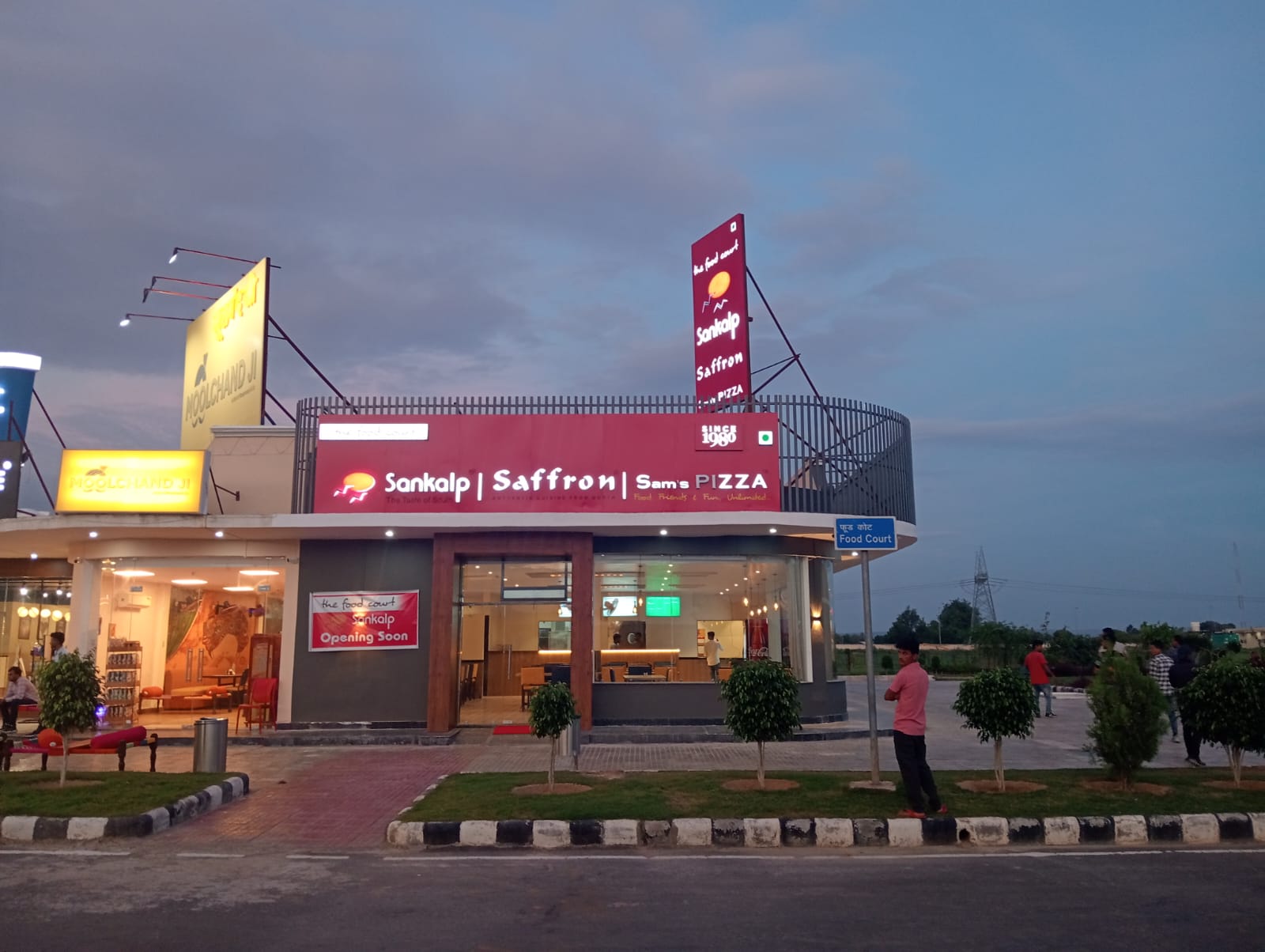
Sam’s Pizza is the fast-moving pizza brand from Sankalp. A friendly, energetic place for youth and families. Delivery-focused. Easy kitchen, fast service. Lower operational complexity very well answers – Is Restaurant Franchise Model Profitable? feel real. Great for malls, food courts and high streets.
A. Fast-moving pizza brand
Pizza that sells quickly and keeps crowds coming.
B. Youth-friendly and delivery-focused model
Gen Z and families love it, especially with quality and quick delivery/dine-in.
C. Suitable for malls, food courts and high-street locations
Best where footfall is heavy and turnover is faster.
4. Multi-Cuisines (Sankalp + Saffron)
This is a powerful Indian Restaurant franchise combining South Indian favourites from Sankalp and rich North Indian flavours from Saffron. One kitchen, wider audience = Higher average billing. Ideal for metros and global Indian communities. Among today’s best Restaurant franchise opportunities, this format reduces risk and boosts revenue, making it one of the smartest Food franchise opportunities available.
5. Sankalp Express @Highways & Malls
Sankalp Express is built for speed, volume, and visibility. Designed for highways, malls, and food courts, it captures impulse buyers and travellers. Smaller space, faster operations = strong brand pull. For investors exploring scalable Restaurant franchise opportunities, this model delivers quick ROI and answers clearly Is Restaurant Franchise Model Profitable? Especially attractive for India and international expansion.

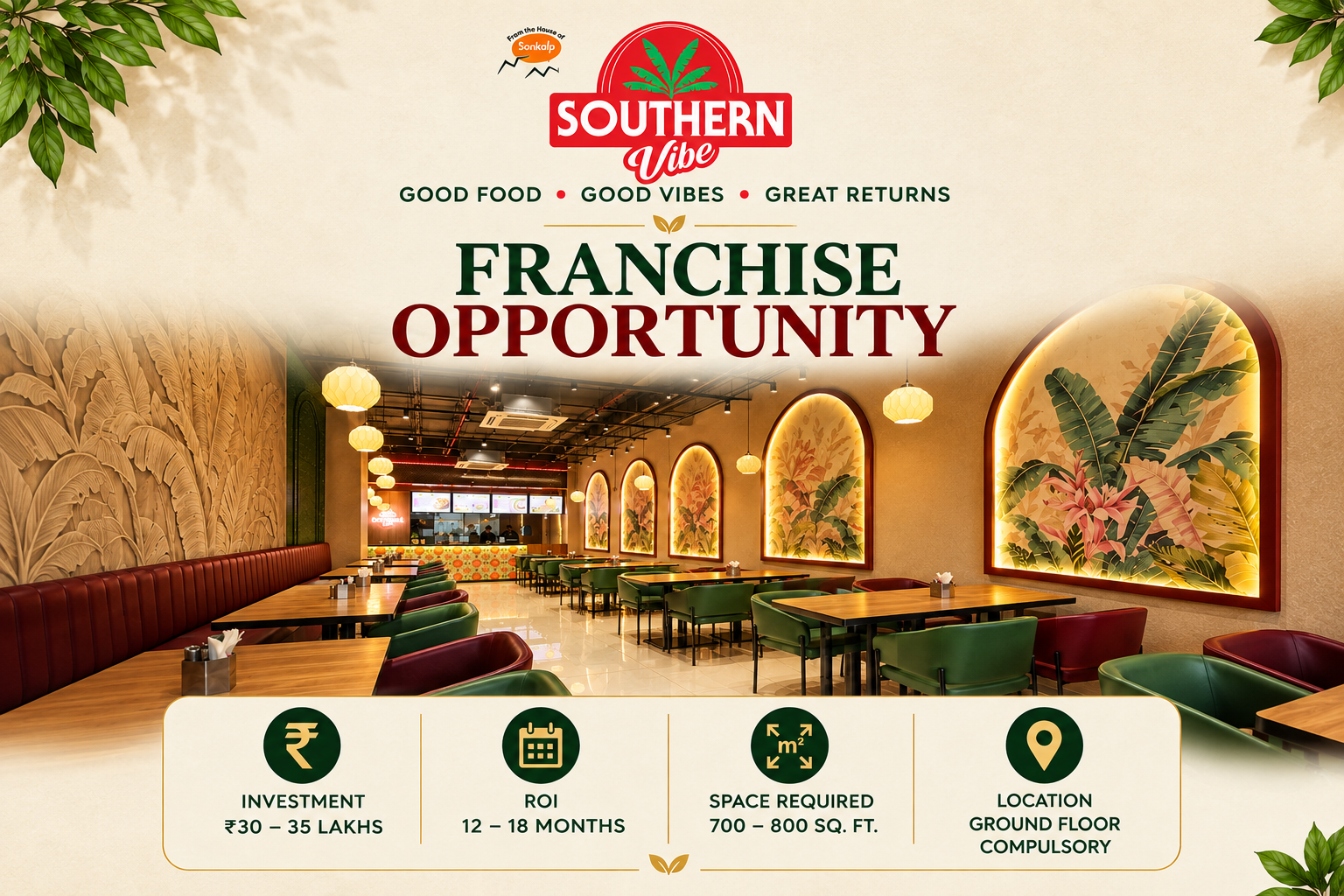
6. Southern Vibe
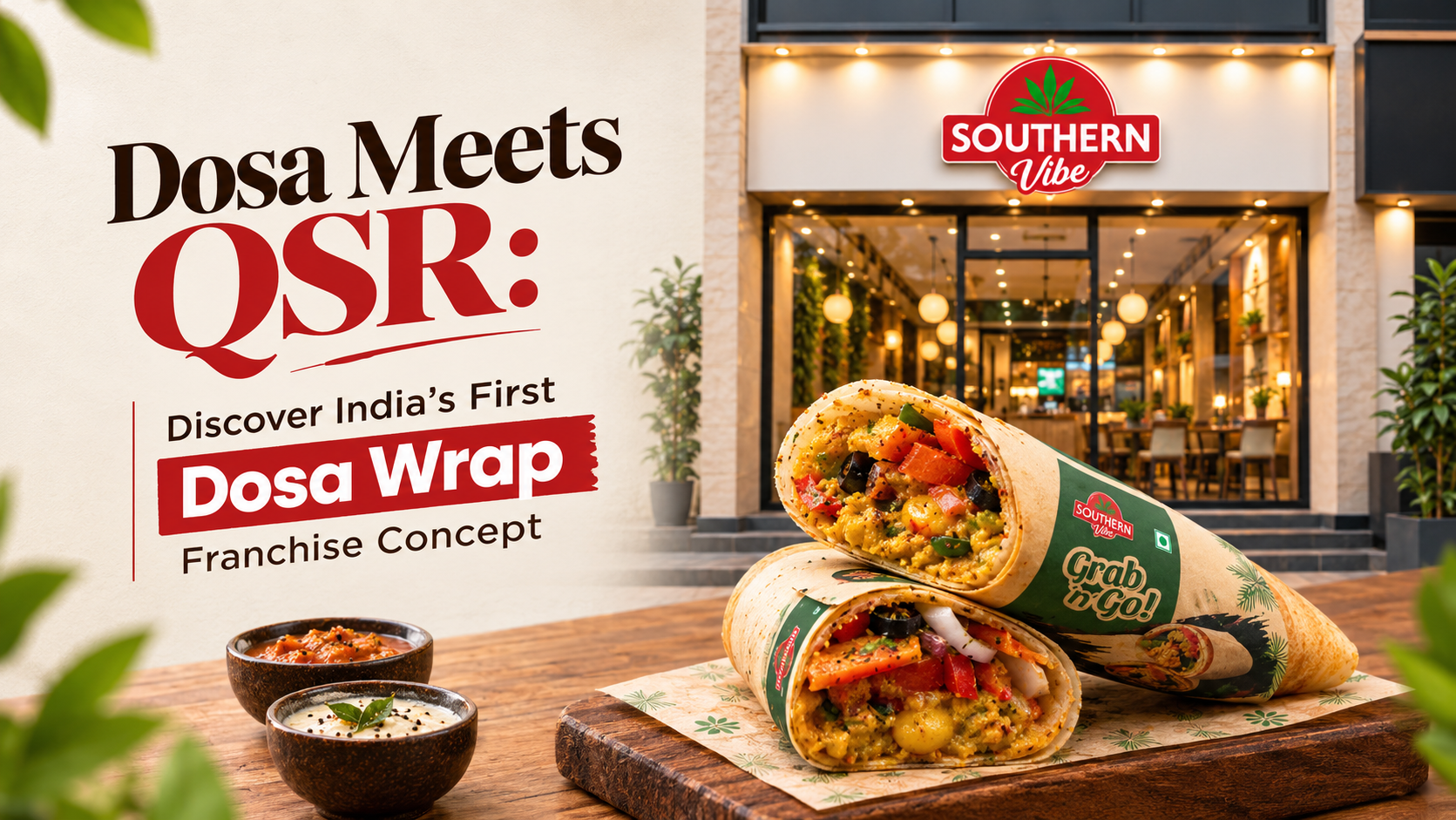
Southern Vibe is a smart Restaurant franchise built for today’s fast café culture. It serves classic South Indian café food with speed and consistency. Low menu complexity. Faster table turns. Perfect for urban hubs and offices. If you ask Is Restaurant Franchise Model Profitable?, this model answers yes with lower setup cost, quick service, and strong repeat demand across India and overseas.
Step-by-Step Process to Start a Sankalp Group Franchise
1. Franchise enquiry submission
The first step is so simple. You just submit your interest , either through Sankalp’s official franchise form or a direct call or email. No long waits. A quick message, and someone from the team gets back to you fast. Being part of a proven Restaurant franchise with a global footprint takes that first spark and turns it into a real business.
2. Brand and cuisine selection
Then you choose your brand flavour – Sankalp does it big. South Indian, North Indian, Indo-Chinese, Chaat, Frankie, Pizza, Sandwiches – you name it and we have it. This is one of those Food franchise opportunities where variety attracts customers every single day. Your Sankalp outlet doesn’t just serve one thing, it serves what people in your city love.
3. Location evaluation and approval
Next comes location scouting. Sankalp helps you here — they evaluate footfall, nearby competition, visibility and pricing. This is huge because it boosts the chances of high sales right from the first week. A good location means a strong ROI — and that’s exactly what Indian Restaurant franchise investors care about.
4. Agreement and onboarding
Once location is approved, you sign the agreement. It’s structured, transparent, and built to protect both you and the brand. This is not a “fly-by-night” deal, it’s a long-term Restaurant franchise opportunity with backing, training and support.
5. Interior design, kitchen setup & procurement
Sankalp doesn’t leave you alone here. There’s design guidance, kitchen layout planning, equipment list and approved suppliers = ensure every outlet feels like a real Sankalp. This helps you cut risk and reduce setup delays.
6. Staff recruitment and training
Hiring, training, quality control — all of that is part of the system. Franchise partners get standard training modules and on-site support so customer experience stays consistent. This is why many Sankalp restaurants see repeat footfall and loyal guests.
7. Operational and backend support
From supply chain to POS systems, marketing to menu updates — Sankalp supports every backend function. You’re not alone. This is where the “Is Restaurant Franchise Model Profitable?” The question gets a positive tilt: structured support often makes franchise models more profitable than standalone restaurants.
8. Soft launch and grand opening
Finally you launch. Soft launch first to iron out operations. Then the grand opening will be backed with promotions, sampling and social buzz. This is how new Sankalp partners hit the ground running and start seeing customers on day one.
Menu Planning, Supply Chain & Quality Control
1. Centralized sourcing and vendor support
Raw materials come from trusted vendors, so every outlet gets the same top-tier ingredients without hassle. This reliability is what makes Indian restaurant franchise opportunities profitable even in tough markets. With vendor support, you avoid supply chaos, control costs, and keep customers coming back. And that’s the magic behind winning restaurant franchise opportunities.
2. Standardized recipes and SOPs
These are the real backbone of any food franchise opportunity that scales fast. Whether in Mumbai or Melbourne, when every dosa, biryani or sandwich tastes the same – the guests trust the brand. Sankalp’s system means you don’t reinvent the wheel. You simply follow proven steps, deliver consistent taste and watch repeat business rise. That’s why the restaurant franchise model is profitable.
3. Food safety, hygiene and taste consistency
Food safety and hygiene aren’t negotiable, they’re business drivers. Global standards and rigorous checks build trust and bigger sales. In the best Indian restaurant franchise setups, smart processes make sure every plate is safe, clean and delicious, every single time. That’s why many investors see restaurant franchise opportunities as low-risk and scalable. You get predictable quality and huge customer loyalty that drives profit and growth.
Sankalp Comes with Full Marketing, Branding & Launch Support
Sankalp backs you with smart pre-launch and launch marketing campaigns that build buzz before doors even open. We muscle up for you, using our brand power and real success stories to create excitement in your city. Global franchise growth is booming, with thousands of new units opening yearly and foodservice leading the charge.
Digital marketing and local promotions from Day 1. These include paid ads, social buzz, local influencers and community events that get people talking about you. Franchisees don’t do this alone; we help with targeted campaigns that cut through the noise.
And ongoing brand visibility and seasonal offers keep customers coming back. We organise festive menus, local festivals, limited-time specials and loyalty promos built into the system. It’s not just a grand opening. It’s long-term growth, always fresh, always selling.
Challenges in Restaurant Franchising & How Sankalp Group Supports You
1. Staffing and operational challenges
Finding and keeping skilled staff is tough in today’s Indian food scene, with high turnover and tight margins. Sankalp Group helps with recruitment, training and SOPs so your Indian Restaurant franchise runs smoothly every day.
2. Cost control and inventory management
Profit pressure is real — labour, food and overhead eat margins fast. With centralised supply, bulk purchasing and real cost control systems, Sankalp Group lifts the burden from your shoulders. Be confident your Restaurant franchise stays lean and profitable.
3. Continuous training, audits, and business guidance
Consistency kills confusion. Sankalp Group gives you continuous training, regular audits, and business guidance so every outlet delivers top quality. This transforms any Restaurant franchise into a high-trust, high-ROI asset – India wide and abroad.
Who Should Invest in a Sankalp Group Franchise?
1. First-time entrepreneurs
You’re dreaming big but not sure where to start? A Sankalp Group restaurant franchise gives you a proven restaurant franchise model with brand power and training support. It’s a real food franchise opportunity with lower risk and huge growth buzz in India & overseas.
2. Experienced restaurateurs
You already run food outlets? Expand faster with Sankalp’s multi-brand strength, from South Indian classics to North Indian and pizza. It’s one of the most sought-after Indian restaurant franchise options, backed by global customer demand and decades of success.
3. Investors and NRIs
Want strong ROI and global reach? The restaurant franchise opportunities with Sankalp tap into India’s love for Indian cuisine worldwide – 250+ restaurants and counting. Don’t just invest, own a slice of a brand people trust across continents.
4. Food business operators seeking multi-brand options
Already in F&B? Add a Sankalp Group food franchise opportunity and diversify your portfolio with brands from authentic South Indian to Saffron BBQ to Sam’s Pizza. More menus, more customers, more profit angles.
We will not just provide you with our name and trust from over 250+ global outlets. Rather, we will come armed for you in totality with a restaurant franchise model built for scale. Honestly, the FOMO is real. Don’t wait for the next boom. It’s happening now, so partner with us – don’t let competitors beat you to it.

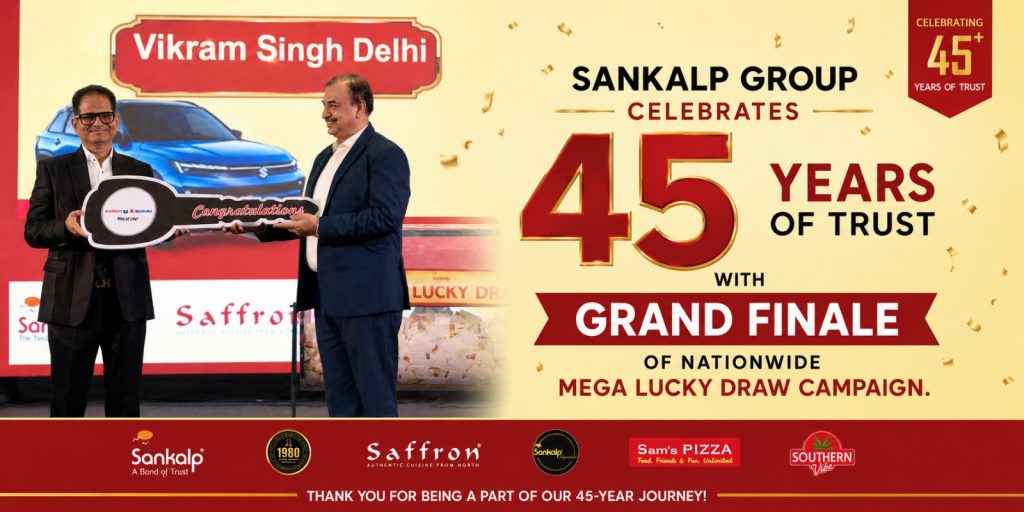
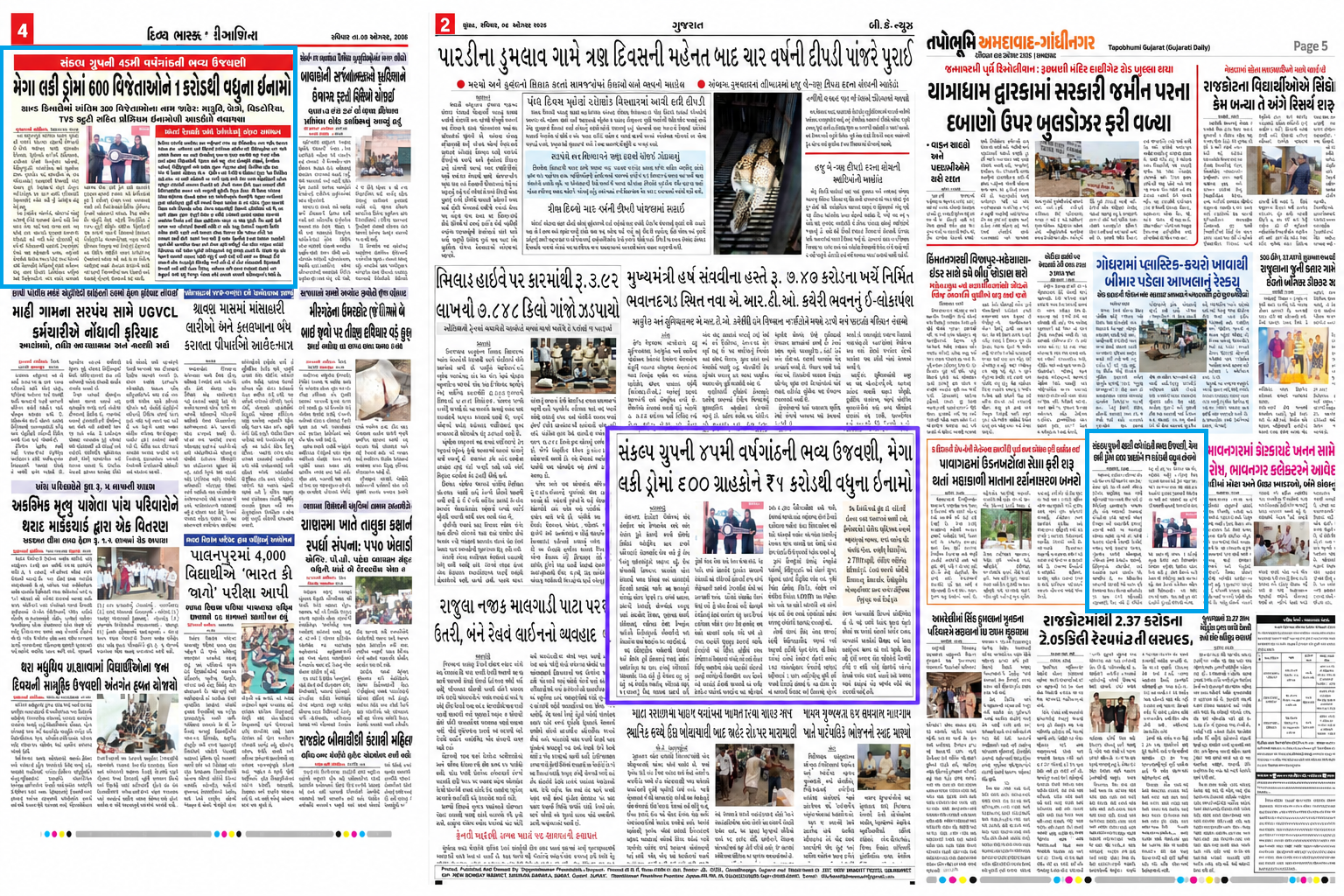


 Entrepreneurial Lesson:Aim to create value not only for your business but also for your customers, employees, partners, and community.
 Entrepreneurial Lesson:Define a clear mission for your business and stay committed to it. A strong vision helps guide decisions, attract customers, and inspire teams.
 Entrepreneurial Lesson:Deliver consistent quality in your products and services. Customers return to brands they trust.
 Entrepreneurial Lesson:Adapt to changing market trends while staying true to your business values and identity.
 Entrepreneurial Lesson:Listen to your customers, value their feedback, and continuously improve your offerings.